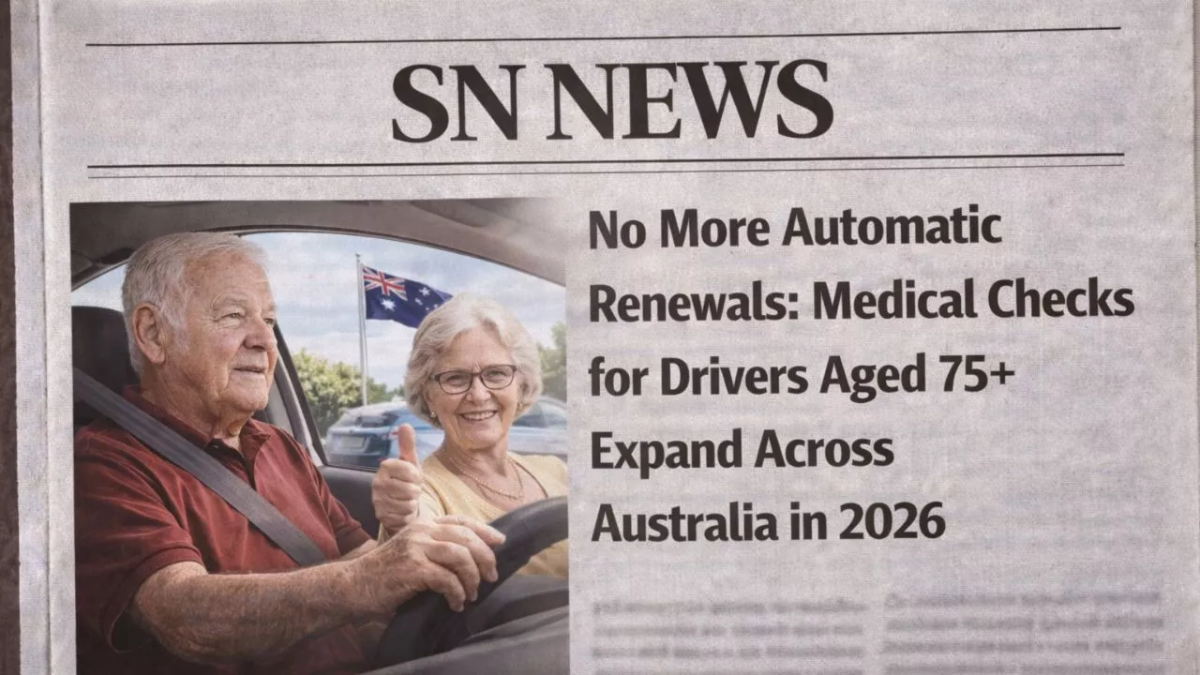
From 2026, Australia is tightening driving licence renewal rules for older motorists, with expanded medical checks for drivers aged 75 and above. The change marks the end of largely automatic renewals for many senior drivers and introduces more consistent health based assessments nationwide. The goal is to improve road safety while ensuring older Australians who are fit to drive can continue doing so with confidence.
Although licences are managed by states and territories, the 2026 update reflects a nationally aligned approach. Senior drivers and their families should understand what’s changing, when assessments apply, and how to prepare to avoid disruptions.
Why Medical Checks Are Being Expanded in 2026
Australia’s population is ageing, and more drivers are staying on the road well into their later years. While experience counts, age related medical conditions such as vision decline, cognitive changes, and slower reaction times can increase crash risk if left unassessed.
Expanding medical checks allows licensing authorities to identify risks earlier, tailor licence conditions where appropriate, and reduce preventable accidents without imposing blanket bans.
Who Is Affected by the New Rules
The expanded requirements primarily affect drivers aged 75 and older renewing a private or commercial licence. The exact age thresholds and assessment frequency can vary by state, but the 2026 framework increases consistency and oversight for this age group.

Drivers under 75 are generally unaffected unless they have a medical condition that already requires reporting.
What Changes From 2026
From 2026, many drivers aged 75+ will need to complete regular medical assessments to renew their licence. Automatic renewals without health checks will no longer be standard practice for this group.
Assessments focus on fitness to drive rather than age alone, and outcomes may include full renewal, conditional licences, or referrals for further testing if needed.
What the Medical Assessment Involves
Medical checks are typically conducted by a general practitioner and may include vision testing, review of medical history, medication assessment, and basic cognitive screening where indicated.
The purpose is to confirm the driver can safely operate a vehicle. It is not a driving test, and most drivers who meet health standards will continue to be licensed.

How Often Assessments Are Required
Assessment frequency depends on age, licence type, and individual health status. Some drivers may require annual checks, while others may be assessed at longer intervals based on medical advice.
Commercial licence holders often face stricter and more frequent reviews due to higher safety risks.
Possible Outcomes After Assessment
Outcomes can include a standard renewal, a conditional licence with restrictions such as daylight only driving, shorter renewal periods, or, in rare cases, suspension if safety risks are identified.
Conditional licensing helps many seniors keep driving safely rather than losing access altogether.
State and Territory Differences to Know
While the 2026 update promotes national consistency, specific rules remain state based. Assessment forms, reporting processes, and renewal periods can differ slightly.

Drivers should check their local transport authority’s guidance to confirm exact requirements and timelines.
What Senior Drivers Should Do Before Renewing
Drivers aged 75+ should book medical appointments early, gather relevant health records, and review any medications that could affect driving.
Keeping licence details current and responding promptly to renewal notices helps prevent lapses or penalties.
Common Myths About the 2026 Changes
A common myth is that all drivers over 75 will lose their licence. This is not true. The focus is on safety and capability, not age.
Another misconception is that a driving test is mandatory. In most cases, only a medical assessment is required unless concerns are identified.

How the Changes Improve Road Safety
Targeted health assessments help ensure drivers remain capable while respecting independence. By identifying issues early and using conditional licences where appropriate, the system balances safety with mobility.
This approach supports safer roads for everyone without unfairly restricting older drivers.
Conclusion
The expansion of medical checks for drivers aged 75+ in 2026 ends automatic renewals and introduces a more consistent, safety focused renewal process across Australia. While change can feel daunting, most seniors who are medically fit will continue driving with minimal disruption. Preparing early, understanding local requirements, and completing assessments on time will help older motorists stay mobile and compliant under the new rules.
Disclaimer: This article is for informational purposes only. Driving licence requirements vary by state and territory and are subject to official transport authority notifications and individual medical assessments.