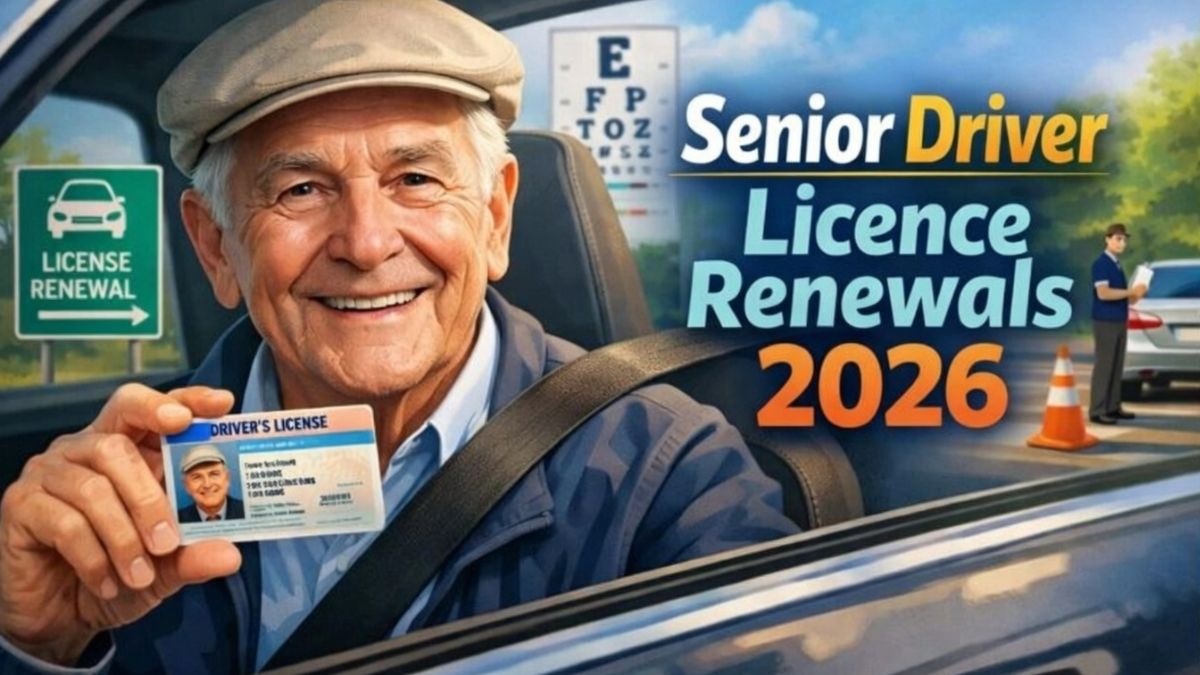
From 2026, older Australians renewing their driving licences will need to follow updated rules designed to improve road safety while supporting continued independence for seniors who are fit to drive. The changes apply nationwide in principle, with states and territories implementing aligned requirements for assessments, renewals, and ongoing fitness to drive.
For senior drivers and their families, understanding these rules ahead of time is essential to avoid renewal delays, unexpected conditions, or temporary loss of licence due to missed steps.
Why Senior Licence Renewal Rules Are Changing in 2026
Australia’s population is ageing, and more people are driving well into later life. While experience is a strength, age related health changes can affect vision, mobility, reaction time, and cognition. The 2026 update focuses on identifying risks early through health based checks rather than relying on age alone.
The aim is safety first, not blanket restrictions. Authorities want medically fit seniors to keep driving, while ensuring risks are managed appropriately.

Who Is Considered a Senior Driver Under the New Rules
Senior driver thresholds vary slightly by state, but the 2026 framework commonly affects drivers aged 70 and above at the time of renewal. Some jurisdictions apply additional requirements at higher age milestones.
Drivers below the senior age threshold are generally unaffected unless they already have a reportable medical condition.
What Changes for Licence Renewals in 2026
Automatic renewals without review are being reduced for senior drivers. Renewals will increasingly require confirmation of fitness to drive, often through medical assessments at set intervals.
Renewal periods may also be shortened for some seniors, allowing authorities to review fitness more frequently where appropriate.

Medical Assessments and What They Include
Medical assessments are typically completed by a general practitioner and focus on health factors relevant to driving. These may include vision testing, review of medical history, medication side effects, and mobility checks. Cognitive screening may be included when indicated.
This is not a driving test. Most seniors who meet health standards are expected to pass without difficulty.
How Often Seniors Will Need to Be Assessed
Assessment frequency depends on age, licence type, and individual health status. Some drivers may require annual checks, while others may be assessed less frequently based on medical advice.
Commercial licence holders usually face stricter and more frequent requirements due to higher safety responsibilities.

Possible Outcomes After Assessment
Following assessment, outcomes can include a standard renewal, a conditional licence with restrictions such as daylight only driving or local area limits, or a shorter renewal period. In rare cases, licences may be suspended if significant safety risks are identified.
Conditional licences help many seniors remain mobile while managing specific risks.
State and Territory Differences Still Apply
Although the rules are more aligned nationally in 2026, licence administration remains state based. Forms, renewal periods, and reporting processes can differ slightly.
Senior drivers should check their local transport authority’s guidance to confirm exact requirements and timelines.

What Senior Drivers Should Do Before Renewal
Drivers should check their licence expiry date early, book medical appointments well ahead of renewal, and gather relevant health information. Updating address and contact details ensures renewal notices are received on time.
Discussing medications with a doctor can help address side effects that may affect driving.
Common Myths About Senior Licence Renewals
A common myth is that seniors will automatically lose their licence in 2026. This is not true. The changes focus on health and capability, not age based removal.
Another misconception is that everyone must retake a driving test. In most cases, only a medical assessment is required unless concerns arise.

How the New Rules Improve Road Safety
Targeted assessments help identify issues early and apply appropriate conditions rather than waiting for incidents. This balanced approach improves safety while respecting independence and mobility for older Australians.
Conclusion
The 2026 senior driver licence renewal rules introduce clearer, health focused requirements for older Australians. While automatic renewals are being phased out in many cases, most seniors who are medically fit will continue driving with minimal disruption. Preparing early, understanding local requirements, and completing assessments on time will help ensure a smooth renewal under the new rules.
Disclaimer: This article is for informational purposes only. Driving licence rules vary by state and territory and are subject to official transport authority notifications and individual medical assessments.
