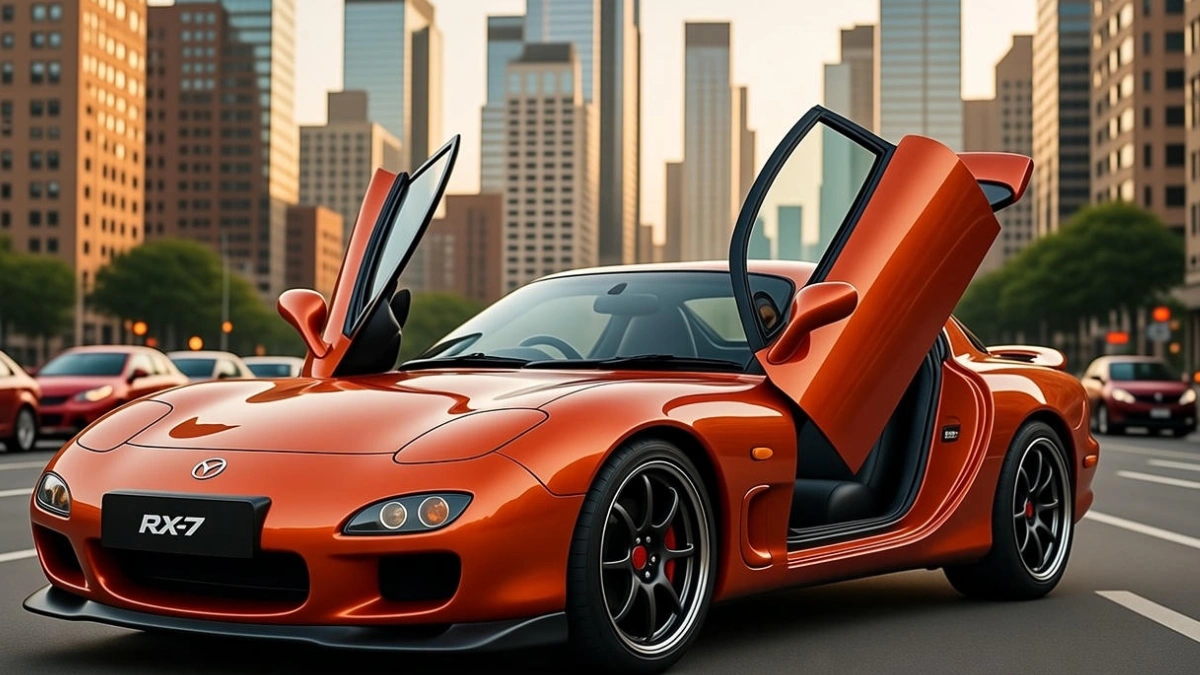
The Mazda RX-7 2026 is shaping up to be one of the most emotionally charged sports car revivals in modern automotive history. Revered as a JDM legend for its lightweight design and rotary-engine soul, the RX-7 nameplate is now being linked with a bold new future that blends rotary heritage, hybrid technology, and turbocharged performance. For enthusiasts who grew up idolizing the RX-7, this rebirth represents far more than a new car. It is the return of an icon.
Why the RX-7 Comeback Has the JDM World Buzzing
Few Japanese sports cars carry the cultural weight of the RX-7. From street racing culture to motorsports dominance, the RX-7 earned its reputation through balance, sound, and pure driving emotion. The idea of its return in 2026 taps directly into nostalgia while addressing modern demands for efficiency and emissions compliance.
This revival is deeply tied to the performance philosophy of Mazda, which has consistently defended the rotary engine as a symbol of innovation rather than excess.
Futuristic Design Inspired by Classic RX-7 DNA
The 2026 RX-7 is expected to feature a sleek, low-slung coupe profile with long-hood proportions and aggressive aerodynamics. Design cues are likely to reference classic generations while embracing modern sharpness, wide stances, and advanced lighting signatures.

A sculpted body, short overhangs, and a purposeful rear end reinforce the car’s track-ready intent while keeping the timeless RX-7 silhouette alive.
Rotary Hybrid Powertrain Explained
At the heart of the RX-7 2026 story is its rumored rotary hybrid setup. Instead of abandoning the rotary engine, Mazda is expected to evolve it. The rotary unit may act as a high-revving performance core or as part of a hybrid system that enhances efficiency and torque delivery.
Electric assistance could eliminate traditional rotary weaknesses such as low-end torque while preserving the engine’s compact size and unique character. This approach allows Mazda to honor tradition while meeting modern regulations.
Turbocharged Performance and Driving Excitement
Performance expectations for the RX-7 2026 are high. Turbocharging combined with electrification could deliver rapid acceleration, sharp throttle response, and a thrilling powerband. Rather than chasing extreme horsepower figures, the focus is expected to be on balance, responsiveness, and driver engagement.

The lightweight chassis philosophy that defined past RX-7 models is likely to continue, making the car agile and rewarding on both road and track.
Interior Focused on the Driver
Inside, the RX-7 2026 is expected to embrace a driver-first cockpit. A low seating position, compact steering wheel, and minimalist dashboard layout reinforce the connection between car and driver.
Modern digital displays, performance telemetry, and connectivity features are expected, but without overwhelming the pure driving experience. The goal is emotion, not excess.
Advanced Technology Without Losing Soul
While rooted in heritage, the RX-7 2026 will still be a modern sports car. Advanced driver-assistance systems, performance driving modes, and intelligent hybrid management will likely be integrated seamlessly.
Mazda’s approach is expected to prioritize feel and feedback, ensuring technology supports the driver rather than replacing engagement.
How the RX-7 Fits Mazda’s Performance Future
The RX-7 revival signals Mazda’s commitment to enthusiast-driven vehicles in an era dominated by SUVs and electrification. It demonstrates that performance and environmental responsibility do not have to be mutually exclusive.
• Rotary hybrid innovation, turbocharged excitement, lightweight balance, and unmistakable JDM identity define the RX-7’s future direction.
This positions the RX-7 as a halo sports car that reinforces Mazda’s engineering credibility.

Expected Price and Market Position
The Mazda RX-7 2026 is expected to sit above mainstream sports cars but below ultra-exotic supercars. Pricing will likely reflect its advanced hybrid technology and limited-production appeal.
It is aimed squarely at enthusiasts who value heritage, engineering uniqueness, and driving feel over brand status alone.
Why the RX-7 Legacy Still Matters
The RX-7 was never about numbers on paper. It was about sensation, sound, and balance. Bringing it back in 2026 preserves that philosophy for a new generation while respecting the past.
For JDM fans, this revival is not just exciting. It is personal.
Conclusion: The Mazda RX-7 2026 represents the perfect fusion of past and future. By combining a rotary-inspired hybrid powertrain, turbocharged performance, and modern technology, Mazda is preparing to revive one of the most beloved sports cars ever made. If executed as envisioned, the RX-7 will once again prove that innovation, emotion, and heritage can coexist, keeping the JDM spirit alive well into the future.
Disclaimer: This article is based on industry speculation, concept interpretations, and unofficial reports circulating within the automotive community. Mazda has not yet made an official announcement regarding the launch, specifications, pricing, or final design of the 2026 RX-7. All details mentioned are subject to change once the manufacturer releases confirmed information.
