U.S. President Donald Trump has stirred international controversy by connecting his efforts to acquire Greenland with his failure to win the Nobel Peace Prize. The revelation has sparked diplomatic tensions across Europe and renewed discussions about Arctic security, NATO cooperation, and U.S. strategic interests.
Trump Frames Greenland Ambitions Around Nobel Peace Prize Snub
Trump reportedly informed Norway’s Prime Minister Jonas Gahr Støre that his inability to secure the Nobel Peace Prize reduced his “obligation to think purely of peace.” The statement links personal recognition directly to geopolitical strategy, an unprecedented approach for a sitting U.S. president.
The message, described by officials as a letter, emphasized that the United States needs “complete and total control” of Greenland. Trump framed his ambition as essential for national security, while tying it personally to the Nobel Peace Prize outcome, a move that has drawn sharp criticism internationally.

European Governments Respond With Alarm
Denmark, which maintains sovereignty over Greenland, firmly rejected any idea of ceding control of the territory. Greenlandic leaders have stressed the right of the island’s residents to determine their own future, emphasizing that external pressure would be counterproductive.
Norwegian officials clarified that the Norwegian Nobel Committee, which awards the Peace Prize, operates independently and is not responsible for who receives the award. Despite this, Trump’s communication reportedly held Norwegian authorities partly accountable for the perceived snub, further straining U.S.–European relations.
Trade and Security Implications
Trump’s statements included hints at possible economic consequences, threatening tariffs on countries that oppose U.S. positions regarding Greenland. European nations, including Denmark, Sweden, Germany, France, and the UK, are reportedly considering retaliatory measures.
The dispute also raises strategic concerns for NATO allies. Denmark has reaffirmed its commitment to defend Greenland under NATO’s Article 5 security guarantee, emphasizing the island’s significance to transatlantic security.
Public and Political Reactions
Trump’s linking of personal recognition to territorial strategy has elicited criticism from international analysts, who describe it as a form of transactional diplomacy. Many see the approach as undermining traditional norms of governance and diplomacy.
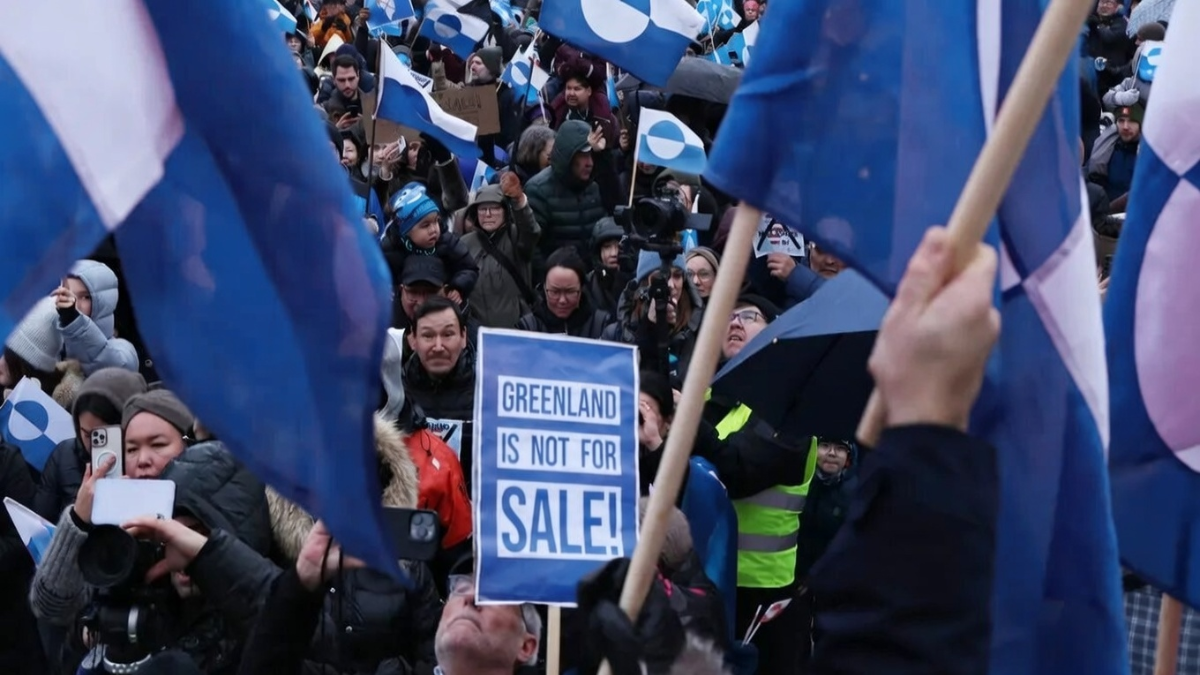
Meanwhile, Trump’s supporters argue that securing strategic Arctic territory aligns with U.S. national interests. Public demonstrations in Greenland have further highlighted local opposition, with citizens insisting the island is “not for sale” and demanding respect for autonomy.

The Broader Context
Trump’s interest in Greenland is not new. During his first presidency, he also pursued the idea of purchasing the island, citing national security and the Arctic’s strategic importance. However, the current controversy is amplified by the personal dimension introduced by the Nobel Peace Prize, making the dispute more politically charged.
Despite escalations, Trump has publicly ruled out military force to acquire Greenland. His administration emphasizes that the goal is to secure strategic access and cooperation in the Arctic region, rather than using coercion.
Looking Ahead
The controversy surrounding Trump’s comments underscores the challenges of mixing personal political grievances with international diplomacy. As European leaders prepare potential responses, the focus remains on maintaining Greenland’s autonomy, ensuring NATO cohesion, and managing Arctic strategic interests.

Observers will continue to monitor developments, as the intersection of U.S. policy, European relations, and Greenlandic sovereignty evolves in the coming months.
Conclusion
Trump’s linking of his Greenland ambitions to the Nobel Peace Prize snub has intensified international attention on Arctic politics. While the U.S. emphasizes strategic interests, European nations insist on respecting sovereignty and international law. Diplomatic engagement and careful monitoring will be key to avoiding further escalation.
Disclaimer: This article provides news information for public awareness. It should not be considered political advice. Confirm details with official sources or government statements.