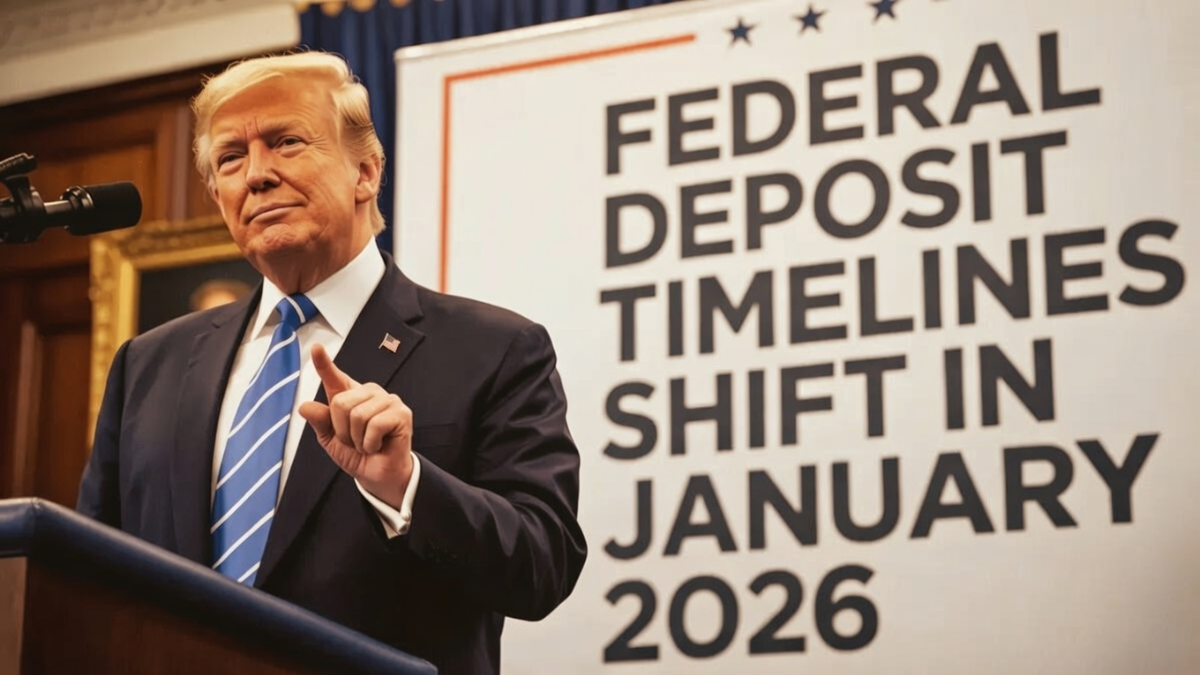
Millions of Americans rely on federal deposits for monthly expenses, including bills, rent, and essential living costs. In 2026, many recipients have reported delays in receiving federal payments ranging from $1,500 to $2,000. Understanding why these payments are not always on time is crucial to avoid financial stress and plan accordingly. Experts point to administrative backlogs, banking updates, and verification requirements as the main factors affecting payment timing.
Administrative Backlogs Are a Major Factor
Federal agencies process millions of transactions every month, and during periods of high demand, delays are inevitable. Administrative backlogs occur when processing centers handle more applications than usual. For instance, new programs, seasonal surges, or tax season activity can slow down verification and payment approval. Even small delays in processing at the federal level can push deposit dates by several business days.
Backlogs are often temporary but can affect many recipients simultaneously. High-volume periods can cause routine payments to take longer than expected, even for those who are fully eligible.
Banking and Routing Updates Impact Timing
Your bank can also be a source of delays. Banks frequently update routing numbers, merge accounts, or change internal processing systems. These changes can cause temporary holds on incoming federal deposits until account information is verified.

Direct deposits are usually faster than paper checks, but even digital payments can be delayed if your bank requires additional verification. Typically, bank-related delays add one to three business days before the funds appear in your account.
Eligibility Verification and Documentation
Another common cause of delayed payments is verification of eligibility. Federal agencies require accurate and up-to-date personal information, including Social Security numbers, addresses, and tax records. Any inconsistencies or missing documents can trigger additional checks before payment is released.
New programs introduced in 2026 are especially prone to delays as agencies implement updated verification protocols. Responding promptly to requests for documentation or identity confirmation is essential to avoid longer delays.
Paper Checks vs. Direct Deposit
The method of payment also affects timing. Paper checks are slower due to printing, mailing, and postal delivery, while direct deposit generally ensures faster access to funds. However, recipients who switch from paper to direct deposit should allow extra time for the first deposit to clear, as banks verify the new account information.

Direct deposit not only reduces the risk of lost checks but also speeds up the payment process. Ensuring your banking details are current and accurate is critical for timely access to federal funds.
Common Federal Payment Programs Affected
Several federal programs provide payments in the $1,500–$2,000 range. These include stimulus payments, unemployment benefits, Social Security supplements, and certain federal assistance programs. Although each program has unique timelines, all are subject to delays caused by administrative backlogs, bank processing updates, eligibility verification, and the chosen payment method.
Recipients often encounter delays when multiple factors overlap. For example, if a bank is updating its processing system while a federal agency is experiencing a backlog, deposits may be pushed back several business days.
Monitoring Your Federal Payment
Tracking your payment status is important to avoid surprises. Most federal agencies offer online portals or apps that show whether a payment has been processed, is pending, or requires additional verification.

If a payment is delayed, contacting your bank and the federal agency directly can help identify the cause. Make sure to have your account information, identification, and program details ready for quicker resolution.
Tips to Minimize Payment Delays
Keeping your personal information current is the first step in reducing delays. Make sure your address, Social Security number, and banking details are accurate. Enrolling in direct deposit is highly recommended, as it is both faster and more secure than paper checks.
Respond quickly to any verification requests from federal agencies. Avoid changing banks or account numbers during active payment cycles unless absolutely necessary, as this can trigger further delays.
Understanding the Bigger Picture
Delays in federal deposits are not unusual and are generally temporary. They are the result of processing, verification, and banking systems working together to ensure funds are correctly distributed. Being proactive by updating personal information, enrolling in direct deposit, and monitoring payment status can reduce the impact of these delays.

Conclusion
Federal deposit delays in 2026 are caused by administrative backlogs, banking updates, eligibility verification, and the method of payment. Most delays are temporary and can be resolved once issues are addressed. Staying informed, keeping personal information up to date, and enrolling in direct deposit are key strategies to avoid late payments and maintain financial stability.
Disclaimer: This article is for informational purposes only and should not be considered financial advice. Always verify payment timelines and eligibility directly with the relevant federal agency or bank.
