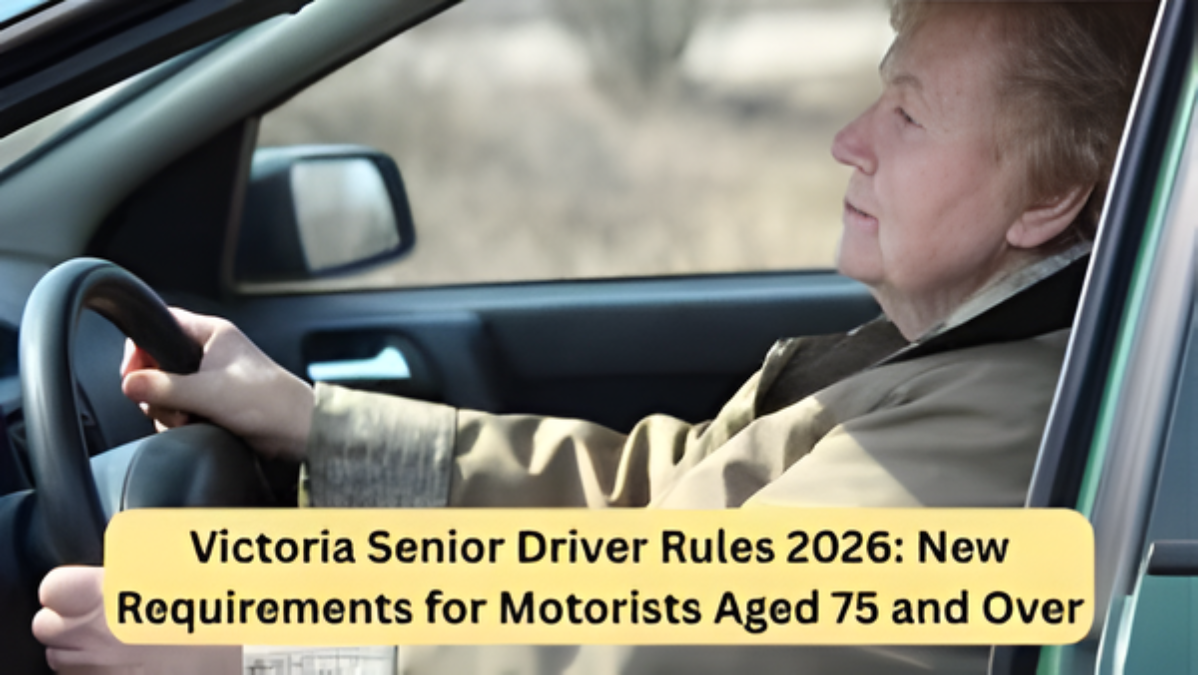
Changes to senior driver rules in Victoria taking effect in 2026 are drawing close attention from older motorists and their families. As Australia’s population ages, road safety authorities are placing greater emphasis on ensuring drivers remain medically and cognitively fit to drive, without unfairly removing independence. For Victorians aged 75 and over, the updated rules introduce clearer expectations around health checks, licence reviews, and ongoing eligibility.
This article explains the Victoria senior driver rules for 2026, what is changing, who is affected, and what older motorists need to do to stay legally on the road.
Why Victoria Is Updating Senior Driver Rules
The Victorian government has cited road safety data, an ageing population, and advances in medical understanding as reasons for refining senior driver requirements. While older drivers are not automatically unsafe, certain age related conditions can affect reaction time, vision, and decision making.
The goal of the 2026 updates is to balance public safety with personal independence, ensuring assessments are based on fitness to drive rather than age alone.
Who the 2026 Rules Apply To
The updated requirements apply to fully licensed Victorian drivers aged 75 and over. The rules do not automatically cancel licences at a certain age, but they do introduce stricter monitoring and review processes as drivers get older.

Drivers under 75 are not affected by these specific age based requirements.
Medical Reviews for Drivers Aged 75 and Over
Under the 2026 framework, drivers aged 75 and above may be required to undergo regular medical assessments to confirm they are fit to drive. These assessments are typically conducted by a general practitioner who reviews vision, mobility, cognitive health, and medical conditions that may affect driving.
Medical reviews are not one time checks. Ongoing clearance may be required at set intervals, particularly if a driver has a medical condition that could impact road safety.
Licence Renewal Changes in 2026
Licence renewal for senior drivers will continue, but with additional safeguards. Drivers aged 75 and over may be asked to provide medical certificates when renewing their licence, even if they have not previously had issues.
In some cases, licences may be renewed for shorter periods rather than the standard long term renewal, allowing authorities to monitor changes in health more closely.

Are Driving Tests Mandatory for Seniors
Victoria does not introduce automatic on road driving tests based solely on age. However, under the 2026 rules, a practical driving assessment may be required if medical concerns are raised or if there is evidence suggesting a decline in driving ability.
These assessments focus on real world driving skills rather than written testing and are used to determine whether a driver can continue driving safely, needs licence conditions, or should stop driving.
Possible Licence Conditions for Older Drivers
Instead of cancelling licences outright, authorities may impose conditions to help seniors continue driving safely. These conditions could include restrictions such as daytime only driving, driving within a certain distance from home, or avoiding high speed roads.
Conditional licences are designed to preserve independence while reducing risk.
Reporting Responsibilities and Family Concerns
Under Victorian law, drivers are required to notify authorities of any medical condition that may affect their ability to drive safely. Doctors may also have reporting obligations if a patient poses a significant road safety risk.

Family members often play a role in encouraging older drivers to seek assessments, especially if changes in driving behaviour are noticed.
Who Manages Senior Driver Licensing in Victoria
All licensing rules, renewals, and assessments are administered by VicRoads, which is responsible for ensuring compliance with state road safety laws.
VicRoads works alongside medical professionals to assess individual fitness to drive rather than applying blanket age bans.
What Happens If a Driver Is Found Unfit to Drive
If a driver is assessed as unfit to drive, their licence may be suspended or cancelled. In some cases, a review or appeal process may be available, depending on the circumstances.
Authorities also encourage planning for alternative transport options to help maintain independence and quality of life.

What Senior Drivers Should Do Now
Older drivers approaching or over 75 should ensure their medical records are up to date, attend regular health check ups, and respond promptly to any VicRoads correspondence. Being proactive can help avoid sudden licence disruptions.
Understanding the rules early also allows families to plan and support older relatives through the transition if driving becomes restricted.
Conclusion
The Victoria senior driver rules for 2026 introduce clearer medical review and licence renewal requirements for drivers aged 75 and over, without imposing automatic driving bans. The focus remains on individual fitness to drive rather than age alone. By staying informed, completing required assessments, and planning ahead, older Victorians can continue driving safely for as long as possible while meeting all legal obligations.
Disclaimer: This article is for informational purposes only and does not replace official advice from VicRoads or medical professionals.